
Ratio logo white

Ratio is an interdisciplinary research institute, with a research focus on the conditions of business and enterprise.

08-441 59 00info@ratio.se

802002-5212

Sveavägen 59 4trp

11359 Stockholm

Bankgiro: 512-6578

PublicationsSeminarsPeople

Popular

News archive
Publications
Seminars
People
Start
About
Contact us
Labour market research
Competitiveness research
Climate and environmental research
Swedish flag iconPå svenska
EmployeesAssociate Professor

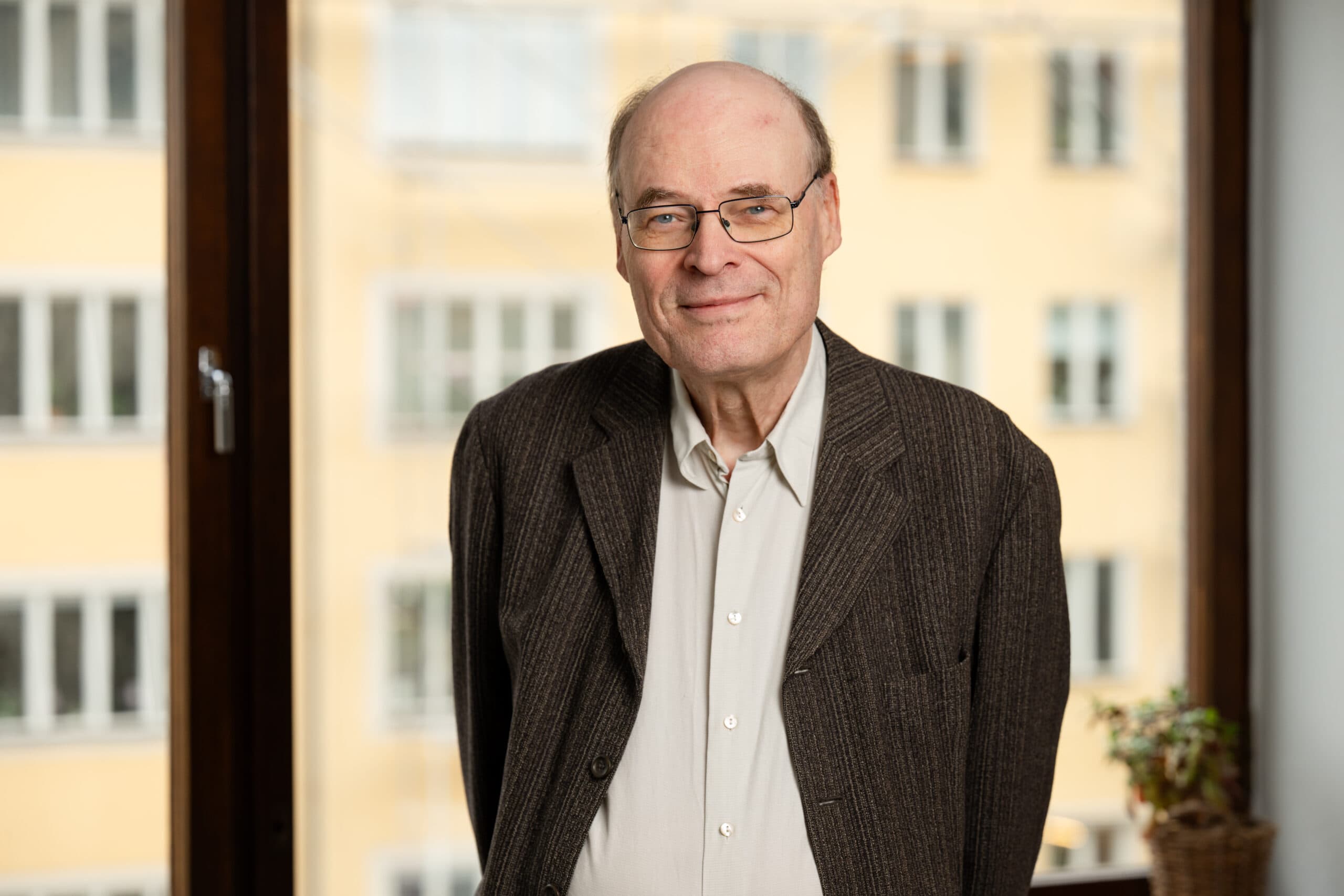
Per Skedinger

Contact information

Phone
070-486 03 89
Email
per.skedinger@ratio.se
Links
  • Google Scholar
CV
Download CV

Per Skedinger is an economist with a PhD from Uppsala University and was most recently affiliated with the Institute of Industrial Economics (IFN). He has previously worked at the Trade Union Institute for Economic Research (FIEF) and served as a member of the now-disbanded Labour Market Economics Council. He has been editor of the Swedish Economic Association’s journal Ekonomisk Debatt and a member of the joint expert group on minimum wages of the ILO and the European Commission. During 2019–2020, he served as an expert in the government inquiry A Modernised Labour Law. From 2014 to 2025, he was Adjunct Professor of Economics at Linnaeus University in Växjö.


In his research, Per Skedinger analyses how minimum wages affect employment and wage dynamics, particularly among groups with weaker labour-market attachment such as young people and refugees. He also studies entrepreneurship among immigrants and in rural areas, the role of previous work experience and language skills for entry into low-skilled jobs, as well as the drivers of labour migration and its economic effects on firms.


Related publications

    Article (with peer review)

    Conditions for doing business in rural areas: Survey evidence from in-movers and stayers

    Aldén, L., Hammarstedt, M., & Skedinger, P.

    Publication year

    2026

    Published in

    Journal of Rural Studies, 122,

    Abstract

    This paper examines business conditions in rural Sweden, with a focus on differences between entrepreneurs who grew up in rural areas (“stayers”) and those who moved there as adults (“in-movers”). The analysis combines a large-scale survey with administrative register data for business owners aged 25–55 running firms with up to ten employees. Results show that entrepreneurs in rural municipalities place greater weight on both enabling and constraining factors than entrepreneurs in non-rural areas, consistent with a thinner institutional environment. Within rural areas, stayers emphasize locally embedded conditions such as municipal responsiveness and access to local services, while in-movers highlight transport and communication infrastructure and show stronger orientation toward external markets. Regression analyses indicate that these differences are largely explained by group composition: in-movers are, on average, more highly educated, more often women, and more concentrated in skill-intensive service sectors, whereas stayers are more concentrated in agriculture and other place-dependent industries. The findings suggest that policy should combine stronger local institutions and services with investments in transport and digital infrastructure to support diverse forms of rural entrepreneurship.