Ratio logo white

Ratio is an interdisciplinary research institute, with a research focus on the conditions of business and enterprise.

08-441 59 00info@ratio.se

802002-5212

Sveavägen 59 4trp

11359 Stockholm

Bankgiro: 512-6578

PublicationsSeminarsPeople

Popular

News archive
Publications
Seminars
People
Start
About
Contact us
Labour market research
Competitiveness research
Climate and environmental research
PublicationReports

Elder-friendly jobs: What are they, and how can there be more of them?

Download PDF

Abstract

This report defines elder-friendly jobs as occupations with non-wage features older workers value, such as moderate physical demands, autonomy and flexible hours. It combines estimates of workers’ willingness to pay for job attributes with Swedish work-environment data to compare occupations. The analysis finds that management and IT jobs tend to score highly, while physically demanding jobs with lower education requirements score poorly. The report discusses workplace adjustments, flexibility and other ways to support longer working lives, while noting that employer costs and job conditions also matter.

Skedinger, P. (2026). Äldrevänliga jobb – vilka är de och hur kan de bli fler? (Rapport 46). Ratio.. Elder-friendly jobs: What are they, and how can there be more of them?

Details

Author
Per Skedinger
Publication year
2026
Published in

Ratio, Rapport 46

Related

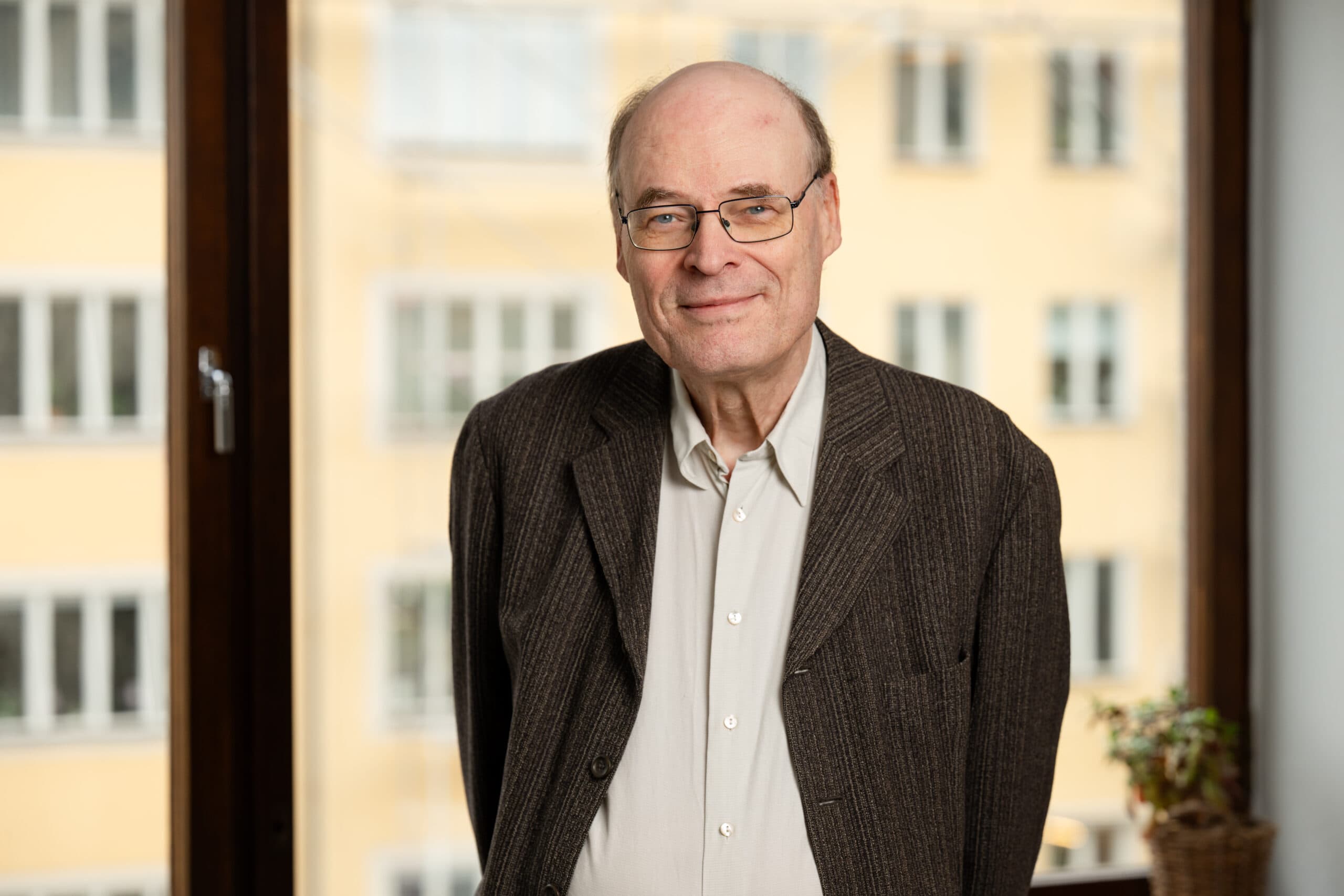
  • Bild av Per Skedinger, medarbetare på Ratio
    Associate Professor

    Per Skedinger

    +46704860389 per.skedinger@ratio.se

Swedish flag iconPå svenska

Similar content

Article (without peer review)

How well does Swedish wage formation work? A reply to Österholm

L. Calmfors & P. Skedinger

Publication year

2026

Published in

Ekonomisk Debatt, 54(4), 77–84

Abstract

This reply examines whether Swedish wage formation supports a well-functioning labour market. It distinguishes aggregate wage growth from relative wages for low-skilled workers and occupations with labour shortages. The authors argue that coordinated bargaining has helped sustain employment, but that high minimum wages can hinder employment for low-skilled groups, while low relative wages make recruitment difficult in parts of the welfare sector and other shortage areas. They call on the social partners to allow more flexible relative wages.

Article (with peer review)

Conditions for doing business in rural areas: Survey evidence from in-movers and stayers

Aldén, L., Hammarstedt, M., & Skedinger, P.

Publication year

2026

Published in

Journal of Rural Studies, 122,

Abstract

This paper examines business conditions in rural Sweden, with a focus on differences between entrepreneurs who grew up in rural areas (“stayers”) and those who moved there as adults (“in-movers”). The analysis combines a large-scale survey with administrative register data for business owners aged 25–55 running firms with up to ten employees. Results show that entrepreneurs in rural municipalities place greater weight on both enabling and constraining factors than entrepreneurs in non-rural areas, consistent with a thinner institutional environment. Within rural areas, stayers emphasize locally embedded conditions such as municipal responsiveness and access to local services, while in-movers highlight transport and communication infrastructure and show stronger orientation toward external markets. Regression analyses indicate that these differences are largely explained by group composition: in-movers are, on average, more highly educated, more often women, and more concentrated in skill-intensive service sectors, whereas stayers are more concentrated in agriculture and other place-dependent industries. The findings suggest that policy should combine stronger local institutions and services with investments in transport and digital infrastructure to support diverse forms of rural entrepreneurship.

Article (with peer review)

In Sweden, Anti-Globalizationists Dominate Public Discourse, Econ Profs Do Little

Skedinger, P. & Johansson, D.

Publication year

2004

Published in

Econ Journal Watch

Abstract

In recent years, globalization and its consequences have become hotly debated issues. In Europe, non-governmental organizations like Attac have argued that free trade and free capital movements favor large corporations and rich countries, while poor countries are treated unfairly. These ideas have gained wide-spread attention in the media. But globalization is also a large research area in economics, so there is a golden opportunity for economists to disseminate their knowledge to the interested public. In this article, we investigate to what extent Swedish professors, with publications in the relevant fields of research, actually take part in the public discourse on globalization. We find that the professors are virtually absent in the debate and we discuss possible causes and consequences of this inactivity.

Show more