
Ratio logo white

Ratio is an interdisciplinary research institute, with a research focus on the conditions of business and enterprise.

08-441 59 00info@ratio.se

802002-5212

Sveavägen 59 4trp

11359 Stockholm

Bankgiro: 512-6578

PublicationsSeminarsPeople

Popular

News archive
Publications
Seminars
People
Start
About
Contact us
Labour market research
Competitiveness research
Climate and environmental research
Swedish flag iconPå svenska
PublicationWorking paper

Working Paper No. 369: Spark of Transformation: The Impact of Electricity Prices on Europe’s Industrial Landscape– Introducing the Green Industrial Location Attractiveness Index (GILAI)

Download PDF

Abstract

This paper examines the influence of volatile electricity prices on the industrial landscape of Europe. The record-breaking prices experienced in the European wholesale electricity market throughout 2022, along with contributing factors such as the surging gas prices, nuclear power limitations, and reduced hydroelectric output, present complexities and challenges to Europe at the same time as a new wave of green industrialization is forming. Drawing from European Commission- and Eurostat data a new tool, the Green Industrial Location Attractiveness Index (GILAI) is introduced that should be helpful for predicting future green industrial establishments. The top three countries for green industrial establishments in Europe are Sweden, Finland, and Austria. A North/South European split with northern countries achieving higher rankings, while southern countries grapple with several factors. Through this analysis, the aim is to contribute to a better understanding of the evolving industrial landscape in Europe and identify strategies to enhance industry competitiveness and sustainability in the face of fluctuating electricity prices.

Grafström, J. (2023). Spark of Transformation: The Impact of Electricity Prices on Europe’s Industrial Landscape – Introducing the Green Industrial Location Attractiveness Index (GILAI). Ratio Working Paper No. 369.

Details

Author
Grafström, J.
Publication year
2023
Published in

Ratio Working Paper Series

Related

  • Ph.D. and vice CEO

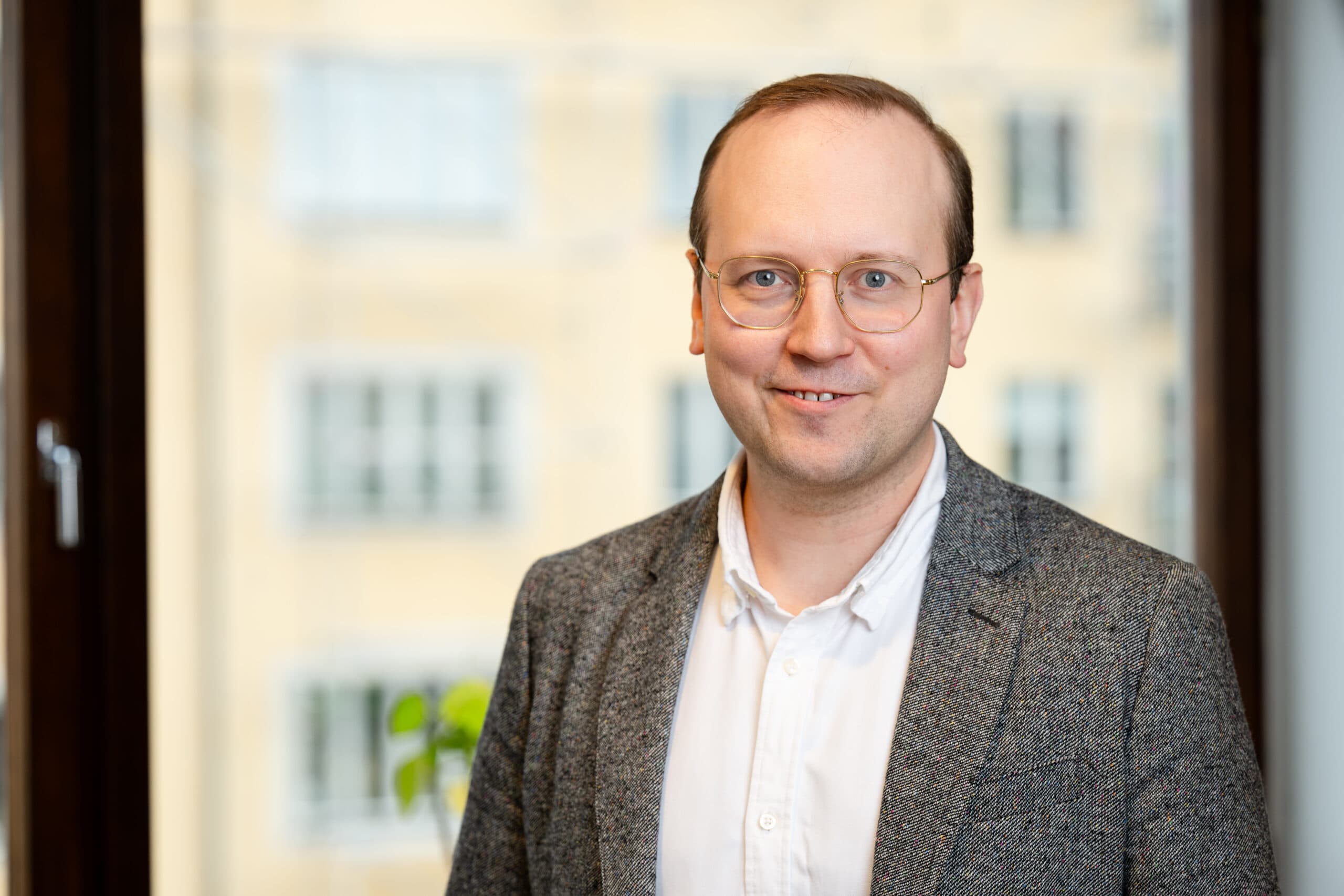
    Jonas Grafström

    +46703475854jonas.grafstrom@ratio.se

Similar content

Article (with peer review)

Barriers to circularity in the metals industry: an analytical framework of feedback and lock-in effects

Grafström, J., Poelzer, G., & Pettersson, J.
Download

Publication year

2025

Published in

Mineral Economics.

Abstract

The metals sector faces multiple and interconnected barriers to achieving circularity. This study examines steel, aluminum, and copper to illustrate how challenges vary between metals. While copper can often be recycled without quality loss, steel and aluminum face alloy-related limitations that drive downcycling and quality degradation. Using a matrix-based analytical framework, the study maps the interactions between economic, technological, institutional, and social constraints, distinguishing between primary drivers, secondary effects, feedback loops, and lock-in mechanisms. The results show strong reinforcing links between economic, technological, and institutional domains, with social factors playing a more indirect role. These findings align with observed industry patterns while adding a structured, quantitative perspective. By clarifying how different barriers combine and reinforce one another, the analysis identifies priority areas for intervention to advance metals recycling and support the transition toward a more circular economy.

Working paper

Working Paper No. 387 Time as a Structural Barrier for a Circular Economy

Jonas Grafström
Download

Publication year

2025

Published in

Ratio Working Paper Series.

Abstract

Circular economy debates often acknowledge material lifespans and delays, but time is usually treated as a contextual issue rather than a structural barrier. The contribution is to reframe circular economy transitions as intertemporal processes by treating time as an endogenous structural barrier. A framework is developed that classifies goods into short-, medium-, and long-lived categories, demonstrating how lagged inflows and valuation biases suppress aggregate circularity even when technology improves. By making temporal mechanisms explicit, the analysis explains why indicators remain stagnant despite policy and efficiency gains. The contribution is to introduce time as an endogenous barrier, integrating insights from environmental and resource economics into circular economy theory and showing how delayed substitution shapes both firm investment and policy outcomes.

Working paper

Working Paper No. 385 The workload paradox: Will AIreduce academic labor?

Jonas Grafström
Download

Publication year

2025

Published in

Ratio Working Paper Series.

Abstract

Artificial intelligence is reshaping academia, but instead of liberating scholars, AI might keep them running faster just to stay in place. This paper theoretically explores how AI increases institutional expectations rather than reducing workload. Using a formal workload model, the study examines how automation affects academic tasks, revealing that while AI streamlines some processes, it also creates new responsibilities in research, publishing, and administration. A case study illustrates how scholars experience rising pressures to verify AI-generated work, adapt to changing publication norms, and meet intensifying institutional demands. The findings suggest that AI’s role in academia is not one only of simplification, but acceleration—a race where efficiency gains are quickly absorbed, where the pursuit of academic excellence becomes ever more demanding, and where scholars must continuously push forward, not to advance, but merely to avoid falling behind.

Show more