Jobba hos oss

Ratio är ett tvärvetenskapligt forskningsinstitut som forskar om företagandets villkor.

+4684415900

info@ratio.se

802002-5212

Sveavägen 59 4trp

Box 3203

103 64 Stockholm

Bankgiro: 512-6578

Om oss

  • Om verksamheten
  • Detta är Ratio
  • VD berättar
  • Styrelse
  • Ledning
  • Verksamhetsberättelse
  • Kontakta oss
  • Media
  • Press & media
  • Nyhetsbrev
  • Nyhetsarkiv
  • FAQ
  • Vanliga frågor
  • Integritetspolicy
  • Samarbeten
  • Eli F. Heckscher-föreläsning
  • AI-Econ Lab
  • Bli medlem

Forskare

  • Forskare
  • Medarbetare
  • Aktuell expert
  • Forska hos oss
  • Möt våra forskare
  • Evenemang
  • Ratio TV
  • Ratio dialogue
  • Unga Forskare
  • Om programmet
  • Stipendium för unga forskare
  • Praktik
  • Sommarassistent på Ratio

Aktuell expert

Mark Hellsten

Forskning

  • Forskningsområden
  • Arbetsmarknad
  • Klimat och miljö
  • Konkurrenskraft
  • Projekt
  • Publikationer
  • Publikationer
  • Forskning i korthet
  • Rapportserie arbetsmarknad
Engelska flaggan ikonENG

Om oss

  • Om verksamheten

    • Detta är Ratio
    • VD berättar
    • Styrelse
    • Ledning
    • Verksamhetsberättelse
    • Kontakta oss
  • Media

    • Press & media
    • Nyhetsbrev
    • Nyhetsarkiv
  • FAQ

    • Vanliga frågor
    • Integritetspolicy
  • Samarbeten

    • Eli F. Heckscher-föreläsning
    • AI-Econ Lab
    • Bli medlem

Forskare

  • Forskare

    • Medarbetare
    • Aktuell expert
    • Forska hos oss
  • Möt våra forskare

    • Evenemang
    • Ratio TV
    • Ratio dialogue
  • Unga Forskare

    • Om programmet
    • Stipendium för unga forskare
    • Praktik
    • Sommarassistent på Ratio

Forskning

  • Forskningsområden

    • Arbetsmarknad
    • Klimat och miljö
    • Konkurrenskraft
    • Projekt
  • Publikationer

    • Publikationer
    • Forskning i korthet
    • Rapportserie arbetsmarknad

Barriers to circularity in the metals industry: an analytical framework of feedback and lock-in effects

PublikationArtikel (med peer review)
Circular economy
Barriers to circularity in the metals industry: an analytical framework of feedback and lock-in effects
Ladda ner

Sammanfattning

The metals sector faces multiple and interconnected barriers to achieving circularity. This study examines steel, aluminum, and copper to illustrate how challenges vary between metals. While copper can often be recycled without quality loss, steel and aluminum face alloy-related limitations that drive downcycling and quality degradation. Using a matrix-based analytical framework, the study maps the interactions between economic, technological, institutional, and social constraints, distinguishing between primary drivers, secondary effects, feedback loops, and lock-in mechanisms. The results show strong reinforcing links between economic, technological, and institutional domains, with social factors playing a more indirect role. These findings align with observed industry patterns while adding a structured, quantitative perspective. By clarifying how different barriers combine and reinforce one another, the analysis identifies priority areas for intervention to advance metals recycling and support the transition toward a more circular economy.

Grafström, J., Poelzer, G., & Pettersson, J. (2025). Barriers to circularity in the metals industry: An analytical framework of feedback and lock-in effects. Mineral Economics. https://doi.org/10.1007/s13563-025-00540-8

Detaljer

Författare

Grafström, J., Poelzer, G., & Pettersson, J.

Publiceringsår

2025

Publicerat i

Mineral Economics.

Relaterat

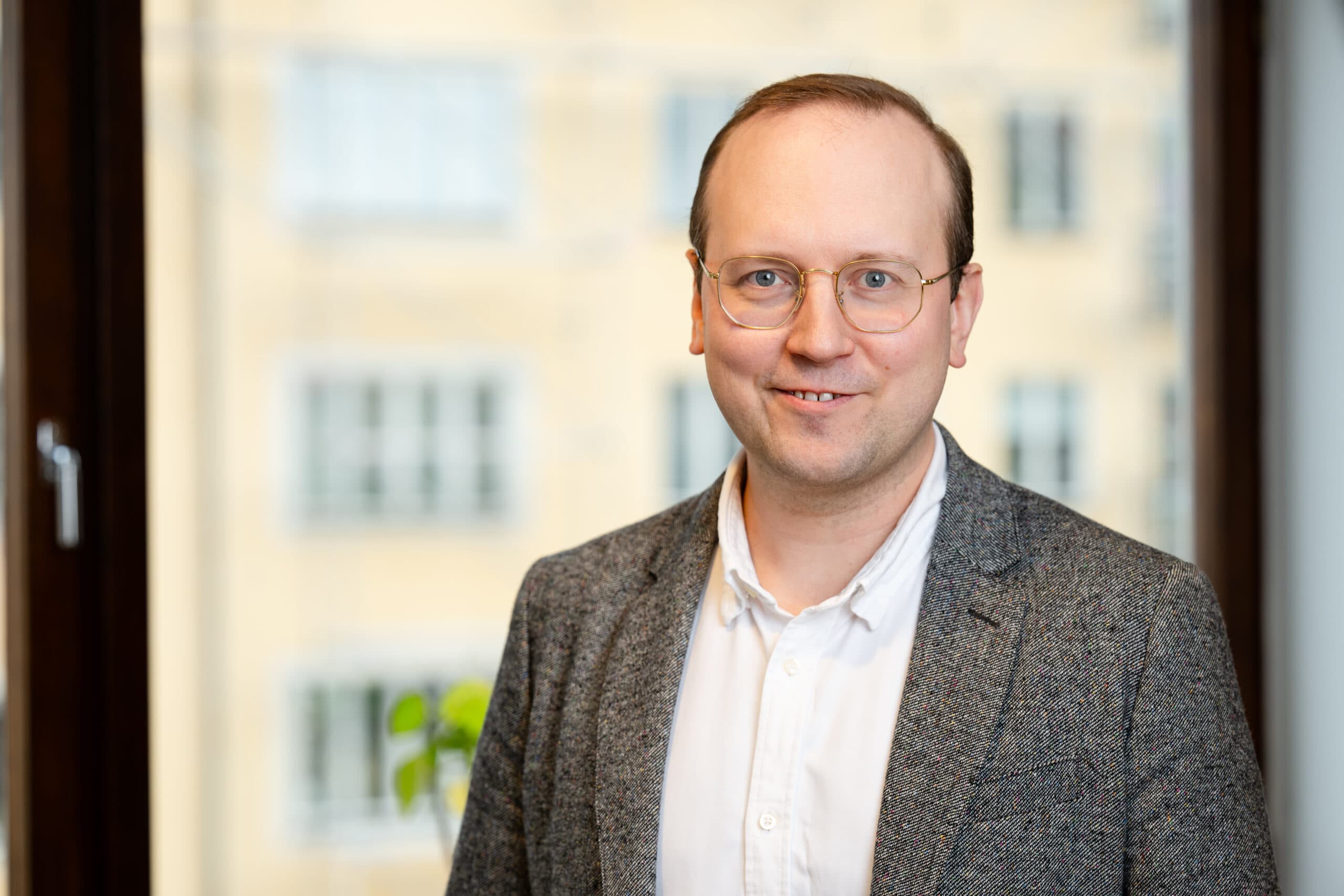
Jonas Grafström
Filosofie doktor och vice VD

0703475854

jonas.grafstrom@ratio.se


Liknande innehåll

Breaking Circular Economy Barriers
Artikel (med peer review)Publikation
Grafström, J. & Aasma, S.
Publiceringsår

2021

Publicerat i

Journal of Cleaner Production

Sammanfattning

Despite high estimated gains of a circular economy implementation, progress on the macro, meso and micro level is sluggish. The purpose of this paper is to examine, from a theoretical economics perspective, how four barriers – technological, market, institutional and cultural – can prevent the implementation of a circular economy. The barriers that currently hinder a circular economy from developing are identified and a mapping of these barriers is performed to understand how they are interdependent and entangled. The conclusion is that even small barriers could stop the emergence of a circular economy. Even though a circular economy is different from our traditional “linear” economy, the theoretical analysis in this paper gives no reason to believe that a circular economy will not follow the same rules as a traditional economy. There will be property rights, rule of law and price signals guiding the economy. If some of the essential parts of a market are lacking, a weaker circular economy than otherwise possible will materialize.

Ratio Working Paper No. 338 Breaking Circular Economy Barriers
Working paperPublikation
Grafström, J. & Aasma, S.
Ladda ner
Publiceringsår

2020

Publicerat i

Ratio Working Paper

Sammanfattning

Despite high estimated economic gains the implementation of a circular economy (CE) in most areas is generally slow. The purpose of this paper is therefore to examine the potential causes to this sluggish implementation and to discuss and illustrate how different types of barriers (technological, market, institutional and cultural) can prevent the further implementation of a CE. We conduct a systematic literature review where academic articles and “grey literature” on the barriers to a CE transition are analysed and classified into technological, market/economic, institutional/regulatory, and cultural/social barriers. We approach the research problem in a twofold way. Firstly, we recognize the barriers that currently seem to hinder a CE from developing. Secondly, we map these barriers to better understand how they are interdependent and entangled. Our main conclusion is that even small barriers can stop the emergence of a CE.

Visa fler

Utvald publikation

Skill Requirements and Employment of Immigrants in Swedish Hospitality
Kazlou, A., & Wennberg, K.
Sök
Sök